
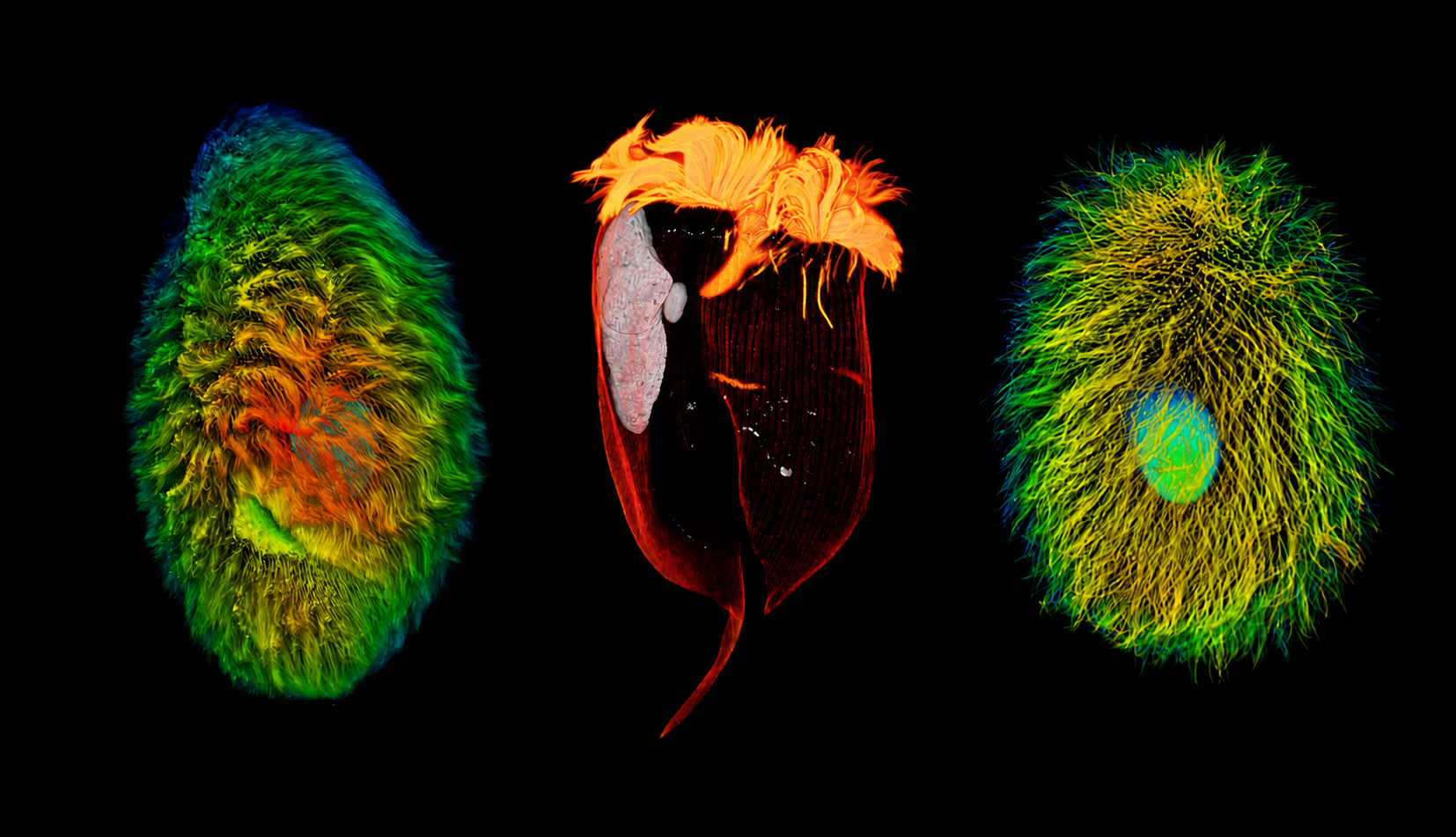
A recent scientific breakthrough may change how we understand methane emissions from cattle. Researchers have identified a previously unknown cell structure, called a hydrogenobody, which plays a key role in methane production inside cows.
Interestingly, this organelle is not part of the cow itself. It exists within microscopic single-celled organisms known as ciliates. These protozoa live in the rumen — the first chamber of a ruminant’s stomach — where plant material like grass is fermented and broken down.
What Is a Hydrogenobody?
The hydrogenobody is a newly discovered cellular compartment found in rumen ciliates. Its main function is to produce hydrogen gas. This hydrogen is then used by other microbes, particularly archaea, to generate methane — a potent greenhouse gas.
This discovery was published in Science on April 30 and could open new possibilities for reducing methane emissions from livestock such as cattle, sheep, goats, and deer. These animals are responsible for nearly 30% of agricultural methane emissions globally.
Understanding the Microbial World in the Rumen
Ciliates make up about 25% of the microbial population in the rumen, yet they have not been deeply studied until now. A team of researchers in China analyzed DNA from these organisms and identified 65 different species, including 45 that had never been genetically studied before.
These ciliates fall into three main groups:
- Vestibuliferida – round, fuzzy organisms covered in hair-like structures
- Entodiniomorphida – ciliates with cilia concentrated in specific areas
- Unclassified groups – newly identified families still under study
Why This Discovery Matters
The study found a clear connection:
- More ciliates → more methane-producing microbes
- More methane-producing microbes → higher methane emissions
This link suggests that controlling certain types of ciliates could help reduce methane output from livestock.
How Hydrogenobodies Work
Previously, scientists believed hydrogen production in microbes occurred in structures called hydrogenosomes, which have double membranes similar to mitochondria.
However, hydrogenobodies are different:
- They have only one membrane
- Located near the base of cilia
- Specifically found in rumen ciliates
This discovery finally answers a long-standing question about where hydrogen is produced inside these organisms.
Which Ciliates Produce More Methane?
The research revealed that Vestibuliferida ciliates:
- Have more hydrogenobodies
- Produce more hydrogen
- Lead to higher methane emissions
This makes them a potential target for reducing methane production.
Challenges in Reducing Methane
Although removing ciliates from the rumen has been tested before, it comes with serious drawbacks:
- Reduced milk production
- Lower meat yield
Additionally, keeping cattle free of these microbes is extremely difficult. It would require:
- Controlled environments
- Sterilized feed
- Isolation from other animals
Because of these challenges, scientists believe future solutions should focus on targeting specific harmful ciliates rather than eliminating all protozoa.
What’s Next?
Experts believe this discovery is just the beginning. Understanding how different microbial species function could lead to innovative strategies that reduce methane emissions without harming livestock productivity.
As one researcher described it, this is just the first step in a long journey, but an important one toward sustainable agriculture.

Leave a comment
Your email address will not be published. Required fields are marked *